The Enduring Impact of Michael
Few poems have left as enduring an imprint on my inner life as Michael, the pastoral narrative by William Wordsworth. Penned by one of the great poets of the Romantic era, Michael is at once a meditation on love, trust, betrayal, and loss, as much as it is on resilience, solitude, and moral endurance. In Wordsworth’s own words, the poem is a reflection “on man, the heart of man, and human life”—and nowhere is this truer than in the quiet tragedy of an old shepherd and his family.
A Father and Son
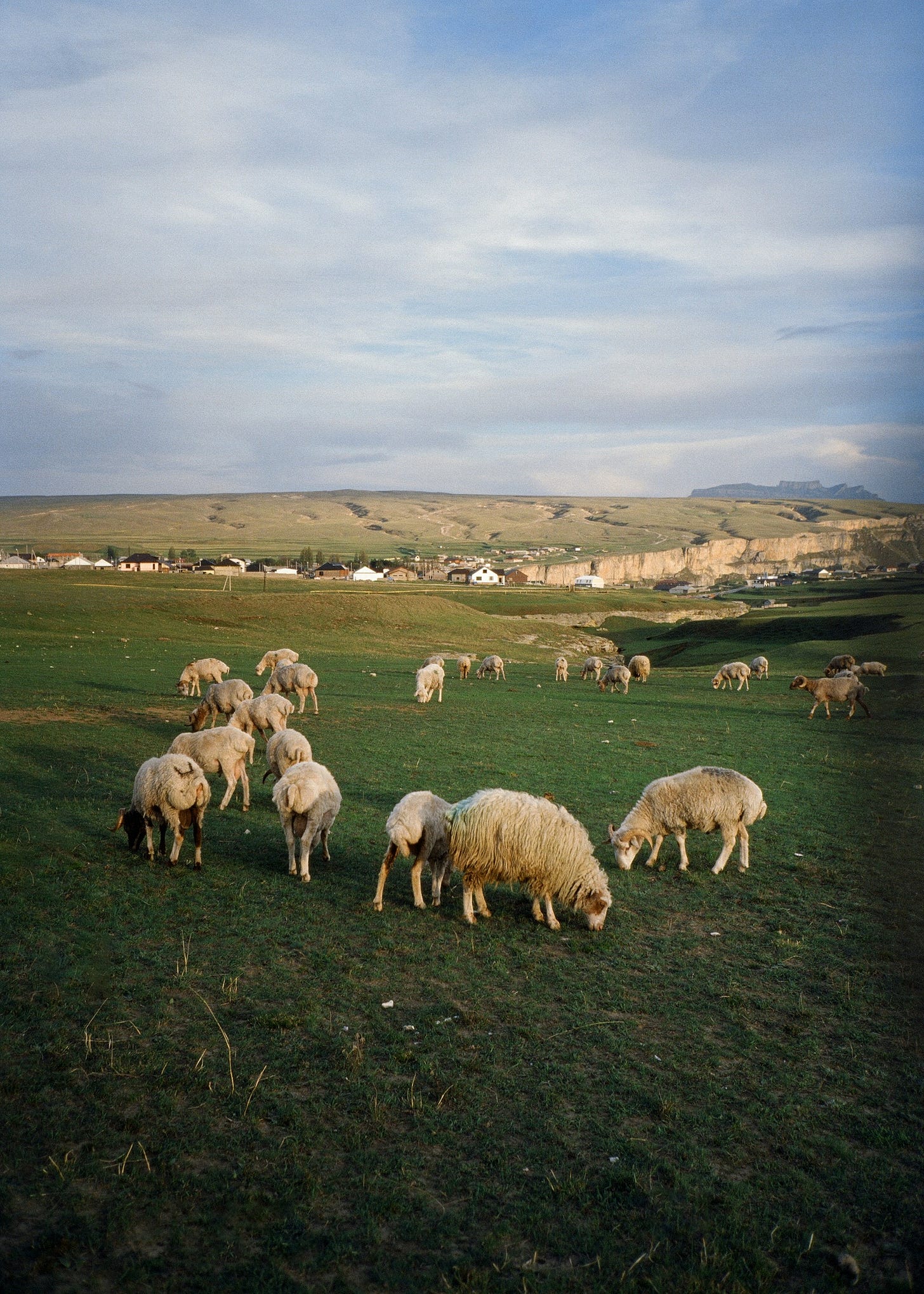
Michael and Isabel, an elderly couple living close to the rhythms of nature, are blessed late in life with a son, Luke. From early childhood, Luke becomes inseparable from his father. He accompanies Michael in his daily toil—tending sheep, traversing the hills, and working the land. Their life is modest, but dignified, shaped by honesty, labour, and an intimate relationship with the natural world.
Central to this bond is the sheepfold Michael begins to build—stone by stone—on the land he loves. More than a structure, the sheepfold becomes a moral symbol: a site of instruction where Michael passes on to Luke the values of integrity, responsibility, perseverance, and fidelity to one’s roots. The stones signify continuity, legacy, and trust between generations.
Tragedy enters quietly, as it often does in life. Michael, having become indebted to a relative, is faced with the threat of losing the land that defines his very identity. Torn between his love for the soil and his hope for his son’s future, and despite Isabel’s foreboding protests, Michael makes the painful decision to send Luke to the city to work and repay the debt. It is a decision born not of greed, but of desperation and dignity.
Wordsworth is at his finest in tracing the evolution of the father–son relationship—from Michael’s tender, almost maternal care of Luke as an infant, to the moment he fashions a shepherd’s staff for the boy as he comes of age. The emotional climax arrives when Luke turns eighteen. Before his departure, Michael takes him to the unfinished sheepfold and asks him to lay its cornerstone. He promises that the structure will be completed together when Luke returns. Overcome with emotion, Luke weeps as his father speaks of trust, inheritance, and the blessings he has been given.
A Hiding Place Beyond the Seas
At first, hope survives. Luke writes home from the city—letters filled with affection and wonder—proudly shown by Isabel to their neighbours. But the city, with its moral anonymity and temptations, slowly erodes Luke’s character. He falls into harmful company, the letters cease, and eventually the truth emerges:
“He in the dissolute city gave himself
To evil courses: ignominy and shame
Fell on him, so that he was driven at last
To seek a hiding-place beyond the seas.”
The devastation for Michael and Isabel is total. Their only child—their hope in old age—has broken trust and vanished. More painfully still, they are robbed of the companionship that gave meaning to their final years.
In Solitude and Grief
Michael continues to work the land, but his labor is now marked by solitude and grief. Wordsworth notes that in the seven years Michael lives after Luke’s disappearance, he often returns to the sheepfold, though many believe he lifts no stones. Instead, he stands immersed in memory—caught between promise and loss, presence and absence.
Isabel survives her husband by three years. In time, the land, the house with its welcoming light—known as the Evening Star—and all they once cherished must be sold to settle their debts. What remains is not property, but memory: the quiet echo of love, endurance, and human frailty embedded in the landscape.
A Personal Reflection
I read the poem Michael when I was in the lower grades of high school, during what we called the August holidays. The text “A Book of Narrative Verse” was on the list of books for my older siblings but being an avid reader, I could not let the holidays pass without consuming every poem in that little book.
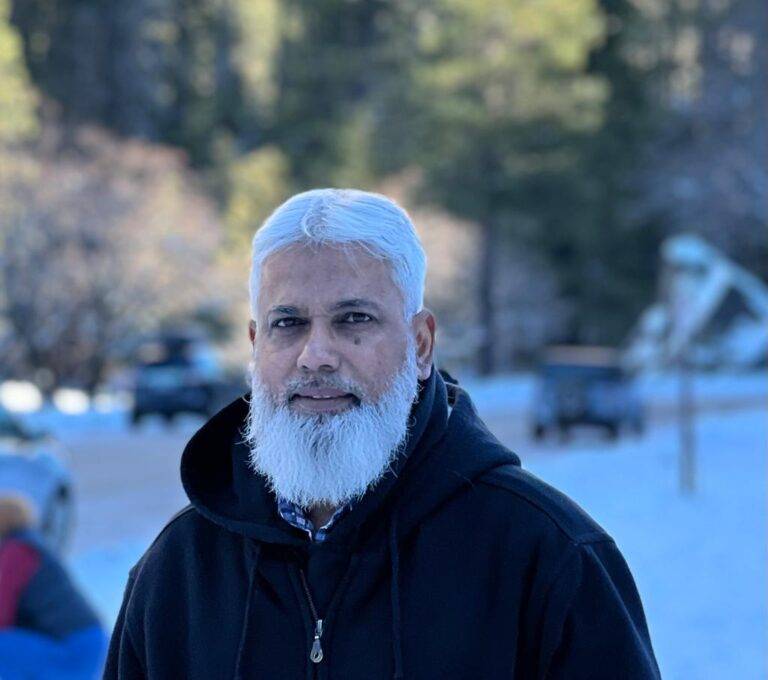
I believe that the poem had an immense impact on me, especially given Luke’s close connection with his father. Like Luke, I accompanied my father on his many trips to the land that cultivated – a five-acre plot of rice land about two hours of bicycle ride from where we lived – or if he was lucky, a tractor ride.
I became acutely aware of the toil the work took on him – the extreme physicality of planting rice with no equipment; the hard labour of ensuring the irrigation channels were clear, and finally the back-breaking work of harvesting with a rented combine, then transporting to a rice mill for drying and milling.
During these times I saw my father as a hero, a man of strength and courage – and a man of God. It was here that I learned about Tawakkul (trust in God), without knowing the word. My father, after the hard work of planting the rice, or irrigating the channels, would scoop water in his two palms, recite a prayer and throw the water onto the prepared field.
I saw the contentment and often concealed sadness when the crop did not materialize as harvested. Yet, he would thank Allah and do what was necessary to bring the work to completion.
On the day we migrated to Canada, I saw my father look back at the house he built with his own hands, with a deep sense of sadness but resignation – he knew the sacrifice he was making was for his children.
It is in these reflections that I saw the story of Michael and Luke as my own, and resolved to never be like Luke and bring heartbreak to my parents.
If there is one thing that I wish Wordsworth would have explored more is the situation that drove Luke to make the choices he made. Was it simply giving in to temptations? Was he caught between his own loyalty to his parents and the need to make a life for himself? Dld he suffer from depression due to an extreme burden on his shoulder? Did he have friends or relatives that he could opened up to and get the requisite help he needed? Did he feel betrayed in his own way?
Questions we will never be able to answer, only to speculate about.
Michael – An Islamic Perspective
From an Islamic lens, Michael resonates deeply with themes that transcend time, culture, and creed.
1. Trust (Amānah) and Responsibility
Luke is entrusted not only with labour, but with the moral legacy of his father. His failure reflects a breach of amānah, a trust that Islam treats as sacred. The pain of Michael and Isabel mirrors the profound sorrow felt when trust—especially within family—is broken.
2. Children as a Trial (Fitnah)
The Qur’an reminds us that children can be both a blessing and a test. Michael’s love for Luke is sincere and nurturing, yet the outcome is beyond his control. The poem echoes the Islamic understanding that righteous intention does not guarantee desired results.
3. Attachment and Detachment (Dunyā)
Michael’s attachment to land, lineage, and continuity is deeply human. Islam does not condemn such attachments but cautions against mistaking them for permanence. The loss of Luke and the land illustrate the transient nature of worldly security.
4. Patience and Silent Endurance (Ṣabr)
Michael’s quiet persistence—his return to the sheepfold, his unspoken grief—reflects a form of ṣabr that is not dramatic but dignified. It is the patience of those who endure without complaint, carrying sorrow with restraint.
5. Fate and Human Agency (Qadar)
The tragedy of Michael lies in the tension between human choice and unfolding destiny. Islam teaches that while humans are accountable for their actions, outcomes ultimately rest with God. Luke’s failure is his own, yet its consequences ripple through innocent lives.
6. Beyond the Material Inheritance
The unfinished sheepfold stands as a reminder that true inheritance is not land nor wealth, but values. In Islamic tradition, righteous character and moral teaching are among the few legacies that endure beyond death.
The Qur’an reminds us, in the words of the prophets: “O my people, surely the life of this world is but a temporary enjoyment. And surely the hereafter, that is the eternal abode.”
In the end, Michael is not merely a pastoral tale but a universal meditation on love entrusted, love lost, and the quiet dignity of endurance. It speaks to the fragility of human plans and the enduring need for humility, patience, and faith in the face of life’s most painful trials.